


ADVANTAGES OF HAI PHONG FREE TRADE ZONE COMPARED WITH OTHER ECONOMIC ZONES IN VIETNAM
Hai Phong Free Trade Zone and Da Nang Free Trade Zone are two notable FTZ models being developed in Vietnam. Each has its own advantages in terms of location, infrastructure and development orientation. What makes Hai Phong an attractive option for businesses considering investment opportunities?
Free Trade Zones: An Integrated Economic Development Model
Unlike traditional industrial parks, which primarily focus on manufacturing, Free Trade Zones are designed to integrate multiple functions, including production, logistics, trade and services, as well as other higher-value economic activities. Depending on the applicable regulations, qualifying functional areas may also benefit from specific customs and tax mechanisms.
This model aims to facilitate the movement of goods, attract investment and strengthen connections between businesses and international markets. However, the specific benefits available to investors depend on the applicable legal framework, business sector, project location and eligibility requirements.
Hai Phong and Da Nang: Different Development Orientations
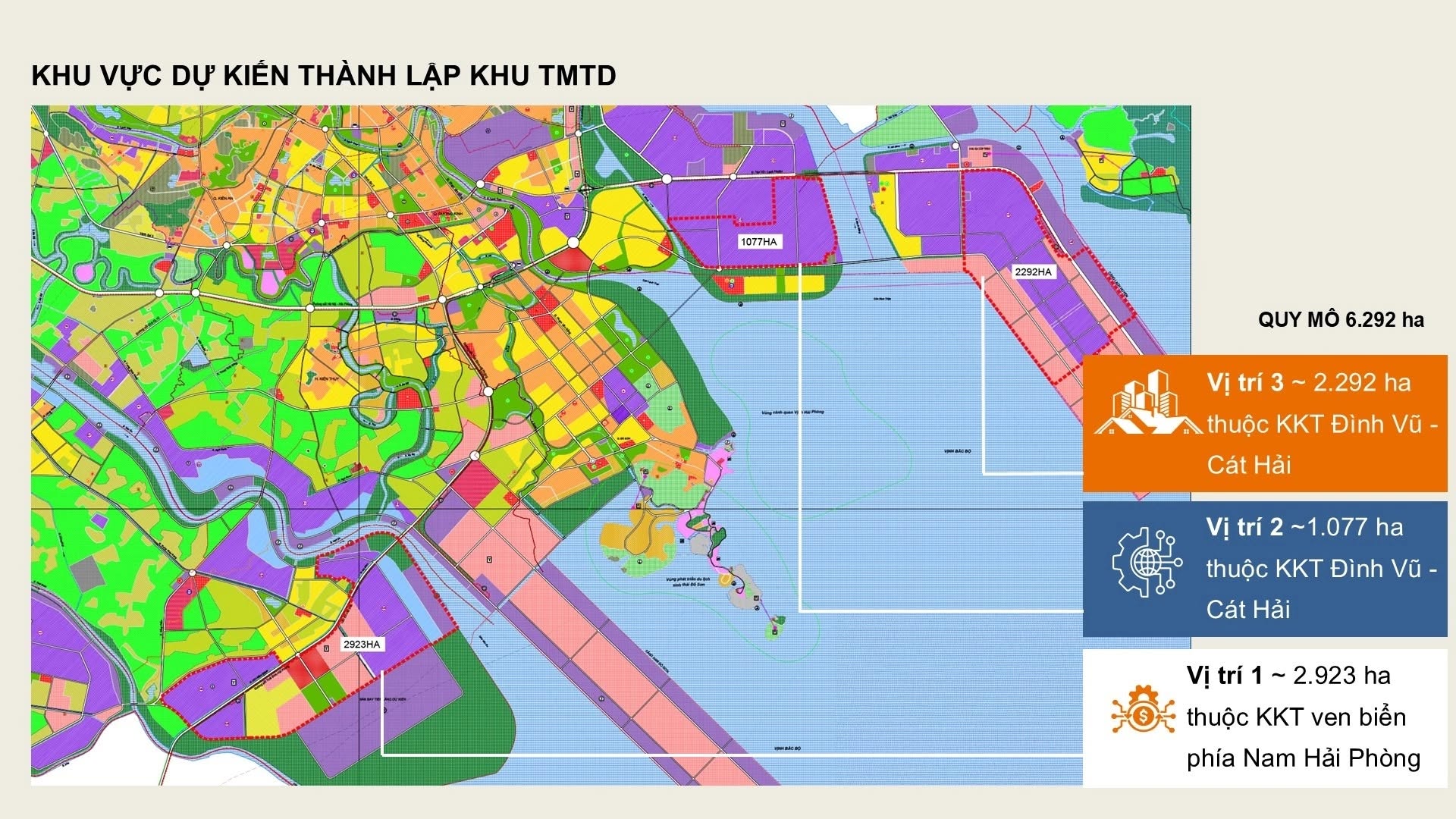 Hai Phong Free Trade Zone was established under Decision No. 4068/QD-UBND dated 13 October 2025, covering approximately 6,292 hectares across non-contiguous locations associated with Dinh Vu–Cat Hai Economic Zone and Southern Hai Phong Coastal Economic Zone. Its planned functional areas include manufacturing, port and port-related services, logistics centers, trade and services, and other permitted functions.
Da Nang Free Trade Zone was established under Decision No. 1142/QD-TTg dated 13 June 2025, covering approximately 1,881 hectares across non-contiguous locations. Its development orientation includes manufacturing, logistics, trade and services, digital technology, information technology and innovation.
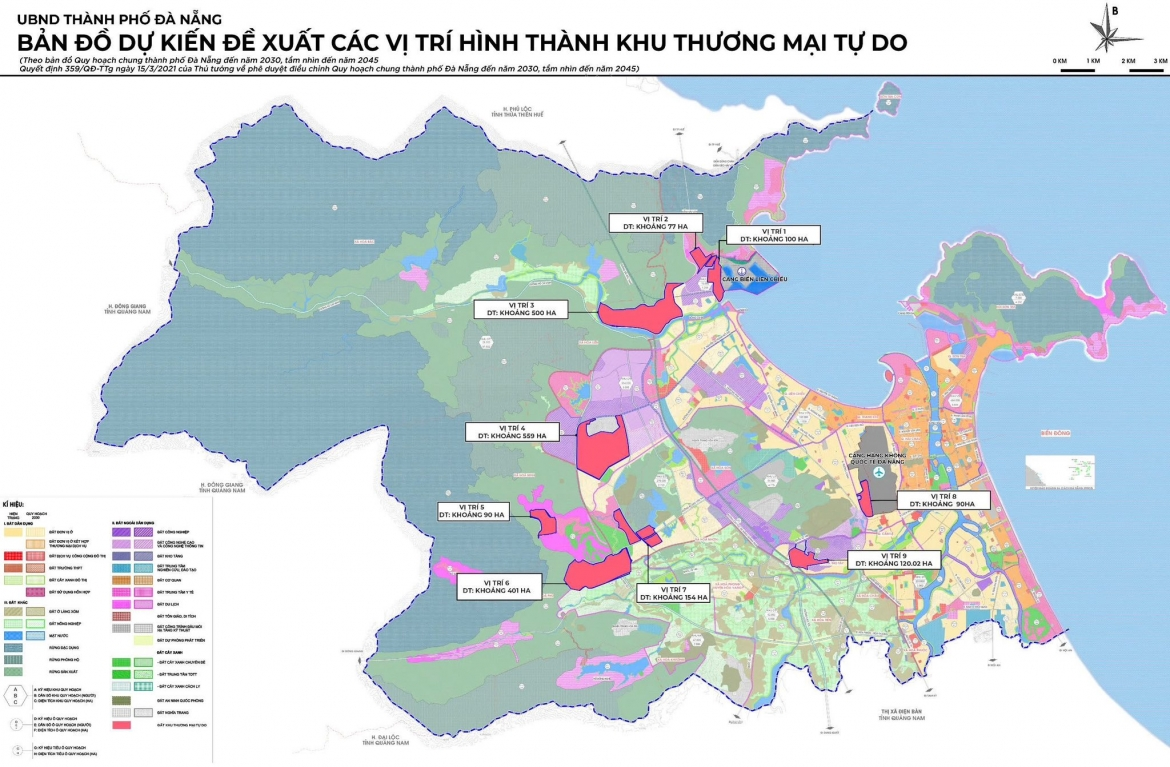
These differences in scale and development orientation mean that each FTZ may serve different investment needs. Hai Phong stands out for its seaport infrastructure, industrial base and logistics ecosystem in northern Vietnam, while Da Nang emphasizes logistics, trade and services, and technology-related activities.
Seaport Access and Supply Chain Connectivity
One of Hai Phong’s key advantages is its seaport position and established industrial ecosystem. Port operations, port-related services, manufacturing and transportation provide a foundation for connecting different stages of the supply chain, from importing raw materials and warehousing to processing, distribution and exports.
For manufacturers, access to seaports and regional transport networks can support the movement of raw materials and finished products, as well as import-export operations. For logistics companies, this ecosystem creates opportunities to develop warehousing, transportation, transshipment and cargo management services.
These advantages are particularly relevant to investors whose supply chains depend on international trade and efficient connections between factories, seaports and consumer markets.
Scale and Multi-Functional Development Potential
With a planned area of approximately 6,292 hectares across three locations, Hai Phong Free Trade Zone is positioned within two of the city’s key economic zones. Its functional planning is intended to support manufacturing, port and port-related services, logistics, trade and services according to the characteristics of each location.
Compared with traditional industrial parks, where manufacturing is often the dominant function, the FTZ’s multi-functional orientation creates opportunities to connect production with supporting services. Investors can therefore assess not only land or factory costs, but also access to logistics services, suppliers and related commercial activities.
However, the planned area should not be interpreted as fully developed or immediately available for investment. Investors should verify infrastructure readiness, detailed planning and site availability at each specific location.
Special Investment Mechanisms and Business Competitiveness
Hai Phong Free Trade Zone is being implemented under the special mechanisms and policies provided for in National Assembly Resolution No. 226/2025/QH15. Depending on the applicable requirements, eligible projects in specified sectors may qualify for special investment procedures and other incentives under relevant regulations.
Rather than selecting a location based solely on land or factory rental costs, businesses should evaluate the overall investment environment, including legal procedures, tax policies, customs arrangements, connectivity infrastructure and actual operating conditions. These factors can influence project implementation timelines, operating costs and future expansion.
Investors should note that incentives do not automatically apply to every business operating within an FTZ. Eligibility must be determined in accordance with current legislation and the specific conditions of each project.
Which FTZ Is Right for Your Business?
No single Free Trade Zone is suitable for every investor. Choosing between Hai Phong, Da Nang or another industrial or economic zone requires an assessment of the company’s supply chain and investment objectives.
For businesses requiring seaport access, large-scale manufacturing and logistics serving northern Vietnam, Hai Phong is worth considering due to its established industrial and port infrastructure. For companies prioritizing technology, innovation or business networks in central Vietnam, Da Nang may be a better fit, depending on the sector and project requirements.
Hai Phong Free Trade Zone offers notable advantages through its planned scale, seaport position, industrial foundation and integrated approach to manufacturing, logistics and trade. These factors provide a basis for attracting businesses seeking deeper integration into international supply chains.
For investors, the key is not simply to select a location with attractive advantages, but to assess how its investment mechanisms and actual infrastructure align with their business strategy.
-----
See more: CEOZONE Hai Phong: A Green and Smart Industrial Park in Hai Phong Free Trade Zone
Share via


Related articles
Hai Phong’s Workforce: A Competitive Advantage for Business Development
News | 22/10/2026
Priority Sectors for Development in Hai Phong Free Trade Zone
News | 20/10/2026
Hai Phong Free Trade Zone: Opportunities and Incentives for Investors
News | 19/10/2026
Business Development Opportunities in Vietnam’s Free Trade Zones
News | 16/10/2026
Comments/questions




There are no comments/questions yet.