


Priority Sectors for Development in Hai Phong Free Trade Zone
For businesses exploring investment opportunities in Hai Phong, understanding the priority sectors is an important step in identifying suitable business activities. The five key groups are high technology and strategic industries; logistics and port-related services; trade and finance; supporting industries; and research and development (R&D).
High Technology and Strategic Industries
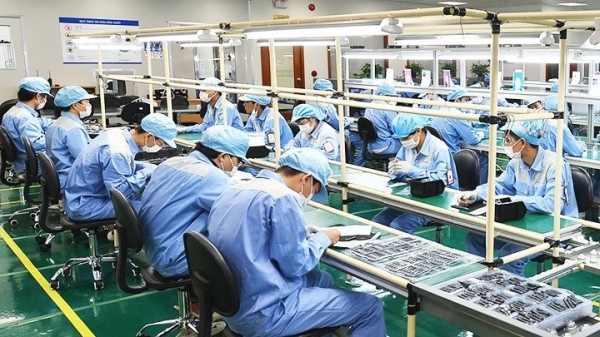
High technology is one of the key sectors in the development strategy for the Hai Phong Free Trade Zone. Notable fields include chip manufacturing, the semiconductor industry, integrated circuits, new materials, biotechnology, and renewable energy.
These industries can generate high added value while playing an important role in strengthening technological capabilities and developing knowledge-intensive products.
For semiconductor and electronics businesses, investment opportunities may involve component design and manufacturing, integrated circuit development, and the production of materials for high-tech industries. Biotechnology, new materials, and renewable energy companies may also explore projects that align with the development orientation and infrastructure conditions of individual functional zones.
To implement projects effectively, businesses should assess access to specialized talent, technical infrastructure, input supplies, and technology partners. In particular, for industries requiring substantial capital investment and advanced technologies, defining target markets, research capabilities, and long-term development plans is essential to project feasibility.
Logistics and Port-Related Services
With its seaport system and transport connectivity, logistics and port-related services are important sectors in the development strategy for the Hai Phong Free Trade Zone.
Key areas include international distribution centers, bonded warehouses, and smart logistics services connected to Lach Huyen Port. These activities support the movement of goods, supply chain management, and connections between businesses and domestic and international markets.
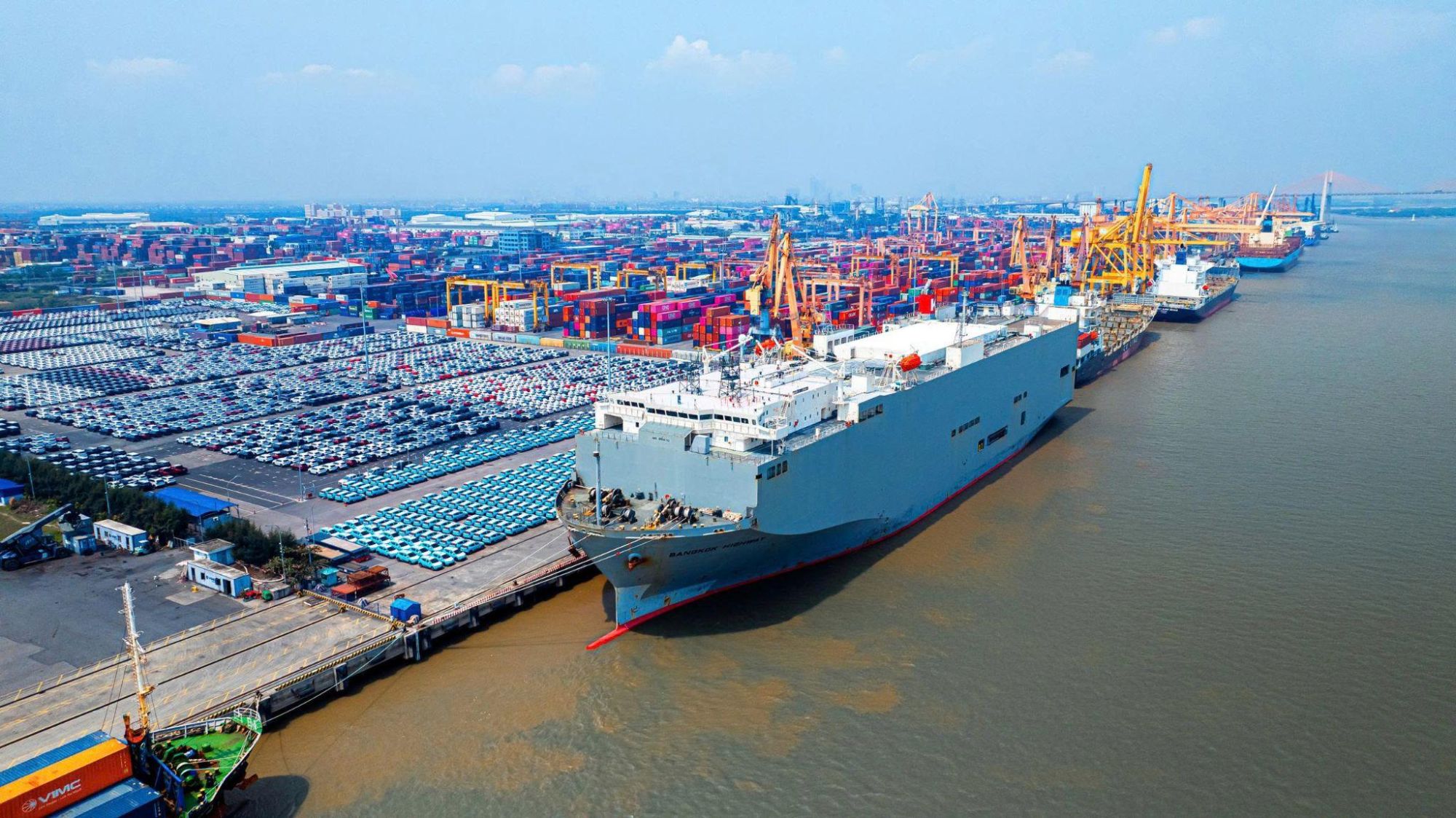
Businesses may explore opportunities to develop distribution centers, warehousing systems, cargo management services, transportation, transshipment, and digital logistics solutions. Applying technology to warehouse management, cargo tracking, and route optimization can help improve operational efficiency and responsiveness to customer needs.
Logistics is also closely linked to manufacturing and trade. An efficiently organized logistics system can help businesses manage delivery times, control inventory, and coordinate different stages of the supply chain.
When assessing investment opportunities, businesses should examine actual connectivity with seaports, road and rail networks, and other transport hubs. Infrastructure utilization capacity, market demand, and total operating costs should also be taken into consideration.
Trade and Finance
Trade and finance are among the sectors targeted for development in the Hai Phong Free Trade Zone. Key activities include cross-border e-commerce, international financial centers, and commodity exchanges.
For trading businesses, cross-border e-commerce offers additional ways to reach international customers through digital platforms, distribution networks, and transaction support services. When integrated with logistics infrastructure and seaports, trading activities can expand their capacity to organize the movement, delivery, and distribution of goods.
In the financial sector, the development of an international financial center creates opportunities to explore financial services and transaction support activities within the applicable legal framework. Meanwhile, commodity exchanges may strengthen connections between market participants, depending on their organizational models and specific implementation conditions.
Businesses interested in these sectors should assess market demand, technology adoption, partner connectivity, and operating requirements. Financial activities, commodity trading, and cross-border commerce must also comply with the relevant sector-specific regulations. Businesses should therefore verify licensing requirements and the permitted scope of operations before implementing a project.
Supporting Industries
Supporting industries play a direct role in supplying manufacturing activities, particularly in high-tech and key industrial sectors. Investment promotion for the Hai Phong Free Trade Zone emphasizes the production of components and spare parts for high-tech industries, precision engineering, and automation.
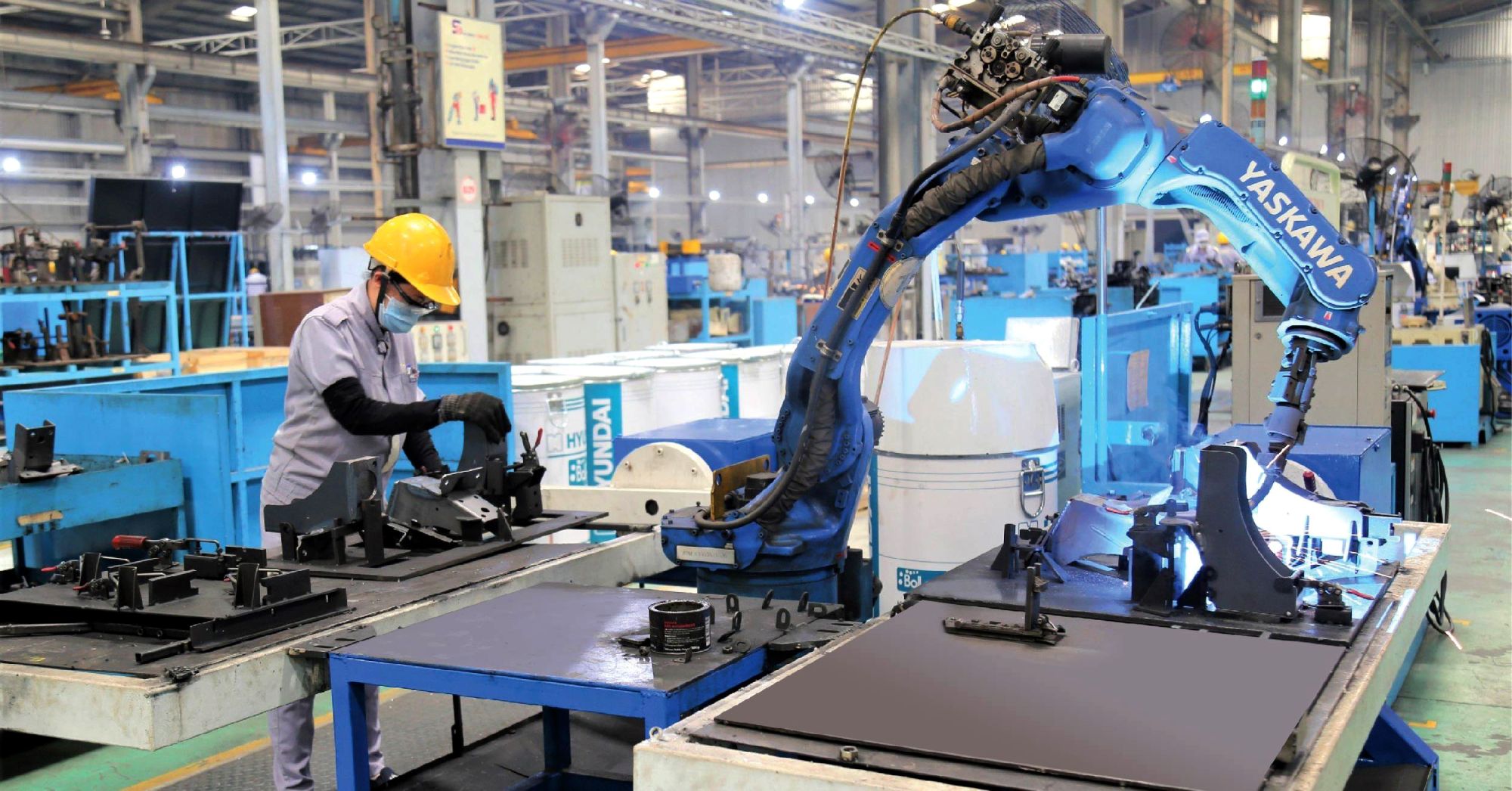
Businesses in this group can participate in supply chains by manufacturing components, technical parts, and spare parts, as well as providing solutions for industrial equipment manufacturing, assembly, and operation.
As high-tech manufacturing develops, demand may increase for precision components, specialized equipment, and automation solutions. This creates opportunities for supporting-industry businesses to consider expanding production, upgrading technology, and establishing partnerships with manufacturers.
For sustainable development, businesses should focus on technological capabilities, quality standards, the ability to meet customer requirements, and the reliability of raw material supplies. Access to technical personnel and efficient transport infrastructure also affects operational performance.
The development of supporting industries creates opportunities not only for component and spare-parts suppliers but also for stronger integration across manufacturing stages. This can help build industrial value chains with greater localization and improved competitiveness.
Research and Development (R&D)
Research and development (R&D) is an important field in the strategy to build an innovation ecosystem within the Hai Phong Free Trade Zone. Key areas include innovation centers, research and development centers, technology incubators, and high-quality workforce training.
R&D enables businesses to develop new products, improve manufacturing processes, test technologies, and enhance the practical application of technical solutions. In fields such as semiconductors, new materials, biotechnology, and automation, research capabilities can help improve product quality and establish long-term competitive advantages.
In addition to businesses investing in their own research centers, technology companies, research organizations, and innovative startups may explore opportunities to collaborate on product development, technology testing, and the commercialization of research outcomes.
A highly skilled workforce is essential to developing this sector. Connecting businesses with educational institutions, research organizations, and technology partners can facilitate knowledge transfer, workforce development, and the formation of an innovation ecosystem aligned with market needs.
What Should Businesses Consider When Exploring Investment in the Hai Phong Free Trade Zone?
The priority sectors indicate the areas in which the Hai Phong Free Trade Zone aims to attract investment. However, this does not mean that every project in these sectors will automatically receive approval or qualify for all investment incentives.
Before implementing a project, businesses should consider several important factors:
- Planning compatibility: Check whether the proposed investment aligns with the functions of each designated zone and the development orientation of the Free Trade Zone.
- Infrastructure conditions: Assess land availability, transport connectivity, electricity, water, digital infrastructure, and other technical requirements.
- Legal requirements: Verify permitted business activities, investment procedures, and relevant licensing conditions.
- Financial feasibility: Develop plans covering capital requirements, operating costs, workforce needs, and long-term development.
- Eligibility for incentives: Review each applicable policy, eligible beneficiaries, and qualifying conditions under current legislation.
Under Resolution No. 226/2025/QH15, certain projects in the Hai Phong Free Trade Zone that fall within the sectors specified in Clause 1, Article 10 may be eligible for special investment procedures under investment law, except for projects subject to investment policy approval by the National Assembly. The specific scope of application must be assessed against current regulations and the documentation of each project.
Thorough preparation during the initial research stage can help businesses evaluate project feasibility, plan resources more effectively, and select an appropriate investment approach.
CEOZONE supports businesses in exploring investment opportunities and identifying suitable solutions. Contact CEOZONE to learn more about investment opportunities.
Share via


Related articles
Hai Phong Free Trade Zone: Opportunities and Incentives for Investors
News | 19/10/2026
WHY IS HAI PHONG A STRATEGIC DESTINATION FOR MANUFACTURING AND LOGISTICS BUSINESSES
News | 15/10/2026
HAI PHONG CONTINUES TO STAND OUT IN VIET NAM’S FDI LANDSCAPE
News | 30/09/2026

HAI PHONG OFFICIALLY ANNOUNCES THE PRIME MINISTER’S DECISIONS ON THE ECONOMIC ZONE AND LAUNCHES THE HAI PHONG FREE TRADE ZONE
News | 17/08/2026
Comments/questions




There are no comments/questions yet.