


Business Development Opportunities in Vietnam’s Free Trade Zones
Vietnam’s Free Trade Zones (FTZs) are creating new development opportunities for businesses in manufacturing, logistics, trade and technology. By connecting economic activities and applying specialized investment mechanisms under applicable regulations, this model can help businesses expand into new markets, improve supply chain operations and strengthen their competitiveness.
However, the actual benefits depend on each zone’s location, infrastructure, business sector and applicable policies. Companies should carefully assess these factors before making an investment decision.
What Opportunities Do Free Trade Zones Offer Businesses?
A Free Trade Zone (FTZ) is a geographically defined area established for economic activities under specific mechanisms and policies prescribed by the competent authorities. Depending on its model and master plan, an FTZ may include manufacturing, logistics, trade, services, technology and other economic activities.
In Vietnam, Hai Phong Free Trade Zone and Da Nang Free Trade Zone are notable examples, each with a development orientation linked to its local infrastructure, logistics advantages and economic structure.
For businesses, the opportunities extend beyond choosing a new investment location. An FTZ can provide a framework for connecting multiple activities within an economic ecosystem, from manufacturing and warehousing to transportation and distribution.
Expanding Markets and Strengthening Global Supply Chain Connectivity
One of the key opportunities for businesses operating in an FTZ is the potential to strengthen connections with domestic and international markets.
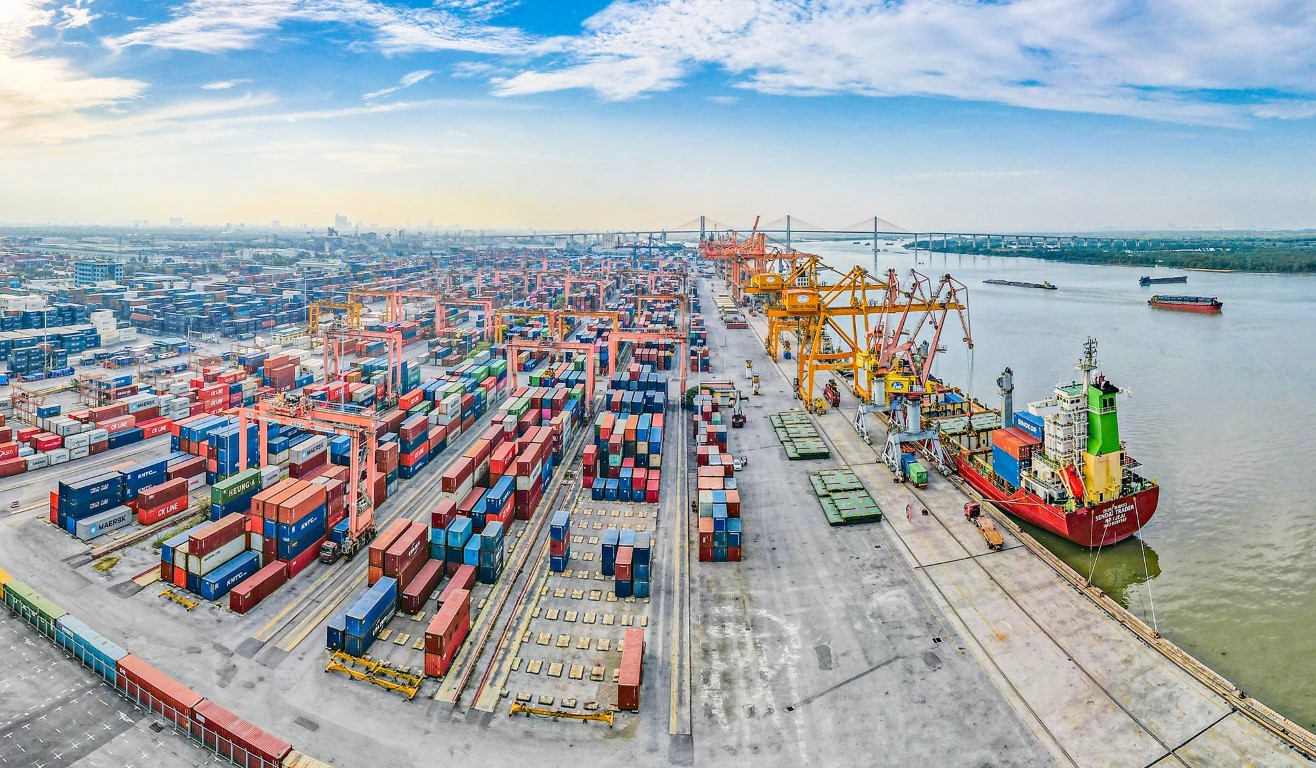
For manufacturers, a suitable investment location can support the import of raw materials, production activities and the export of finished goods. Better connections with suppliers, transportation providers and distribution partners can also give businesses more options for organizing their supply chains.
For trading and logistics companies, locations with access to seaports, airports and regional transport networks may create opportunities to develop warehousing, transshipment, transportation and distribution services.
However, the actual benefits depend on the specific location, infrastructure quality and available transport routes. Businesses should assess these factors according to their operational requirements rather than relying on geographical proximity alone.
Optimizing Costs and Improving Operational Efficiency
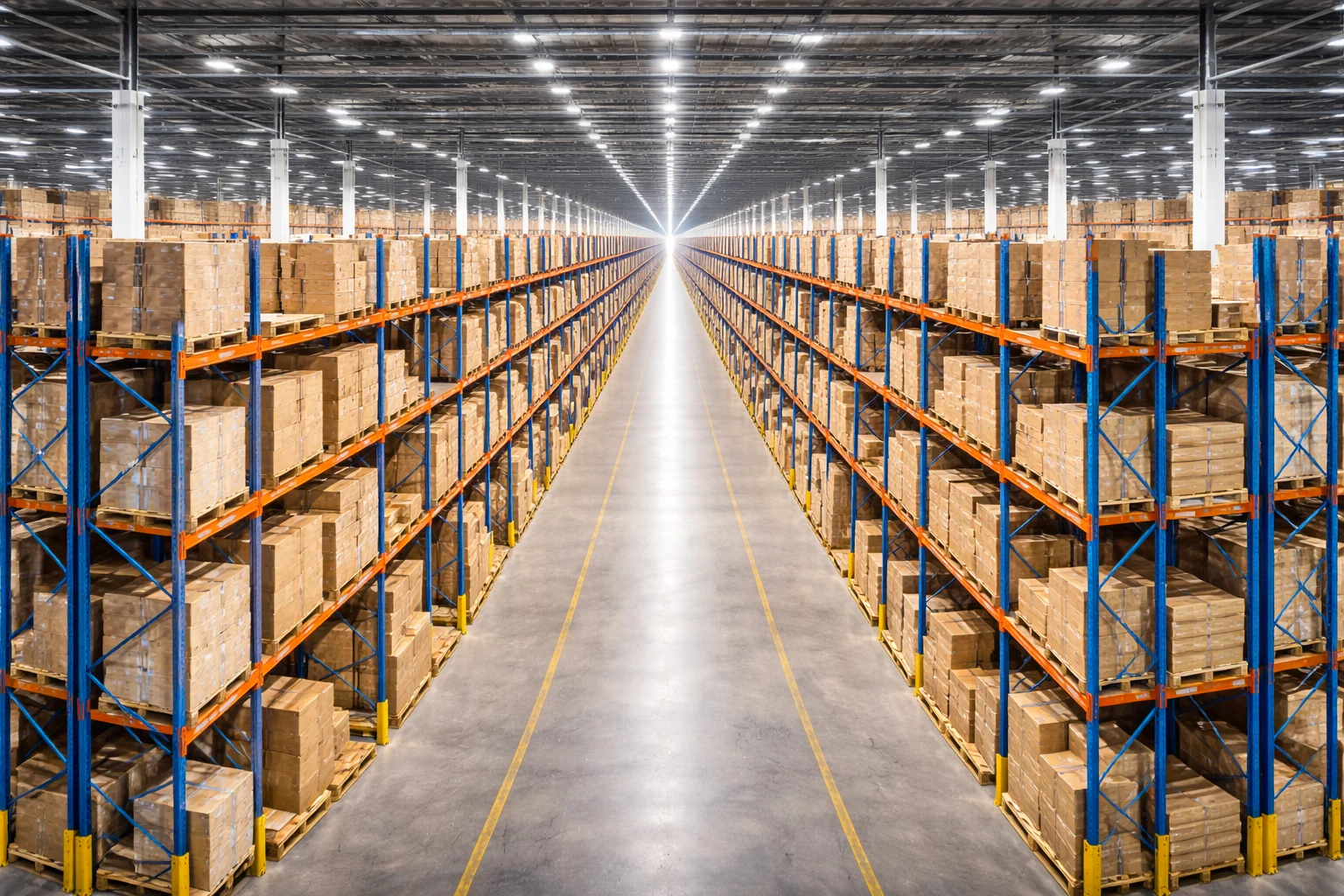
Operating costs directly affect business performance and competitiveness. When considering an investment in an FTZ, businesses can assess opportunities to improve operations by locating manufacturing facilities, warehouses and supporting services in suitable areas.
For manufacturers, access to raw materials, suppliers and transport infrastructure can influence input costs and delivery times. For logistics companies, warehouse locations and connections to major transport hubs are important factors in organizing transportation and distribution.
Businesses should also calculate total investment costs, including land or factory rental, construction, labor, transportation, infrastructure services and legal procedures. Comparing total costs across potential locations can help investors identify an option that better supports their long-term business objectives.
Accessing Investment Mechanisms and Incentive Policies
Another factor attracting interest in the FTZ model is the potential application of specialized mechanisms relating to investment, taxation, land and customs under applicable legislation.
In Hai Phong, Resolution No. 226/2025/QH15 provides special mechanisms and policies for the city, including provisions related to its Free Trade Zone. In Da Nang, the legal framework for FTZ development is set out in Resolution No. 136/2024/QH15 and relevant implementing regulations.
These mechanisms may provide businesses with additional options when planning investments, organizing operations and assessing project financial performance. However, policies vary by location, and not every business automatically qualifies for every available incentive.
Before investing, companies should verify the eligible sectors, qualification requirements, applicable procedures and duration of each incentive under current regulations.
Share via


Related articles
WHY IS HAI PHONG A STRATEGIC DESTINATION FOR MANUFACTURING AND LOGISTICS BUSINESSES
News | 15/10/2026

HAI PHONG OFFICIALLY ANNOUNCES THE PRIME MINISTER’S DECISIONS ON THE ECONOMIC ZONE AND LAUNCHES THE HAI PHONG FREE TRADE ZONE
News | 17/08/2026
HAI PHONG CONTINUES TO STAND OUT IN VIET NAM’S FDI LANDSCAPE
News | 30/09/2026

CEO IP shares love and stands alongside local people at CEOZONE Hai Phong.
News | 26/10/2019
Comments/questions




There are no comments/questions yet.